What is a serpentine spring coupling? How to choose a serpentine spring coupling
Position:Home >> News >> Technical News
Technical News
2025-06-22 19:35:41
256
Structure and Selection Guide of Serpentine Spring Couplings The serpentine spring coupling is a mechanical connection device, often used in mechanical transmission systems for transmitting rotational power. It consists of two interconnected components, one end connected to the drive shaft and the other end connected to the driven shaft. |
I. Main Components of the Serpentine Spring Coupling The core components of a serpentine spring coupling include: serpentine springs (also known as spring discs), two flanges, sleeves, transmission bolts and washers. These components are fastened together by high-strength bolts to form a tight connection.
The key function of the serpentine spring is to absorb axial, angular and radial deviations during transmission, maintain smooth operation of transmission, and reduce the impact of mechanical vibration on equipment. |
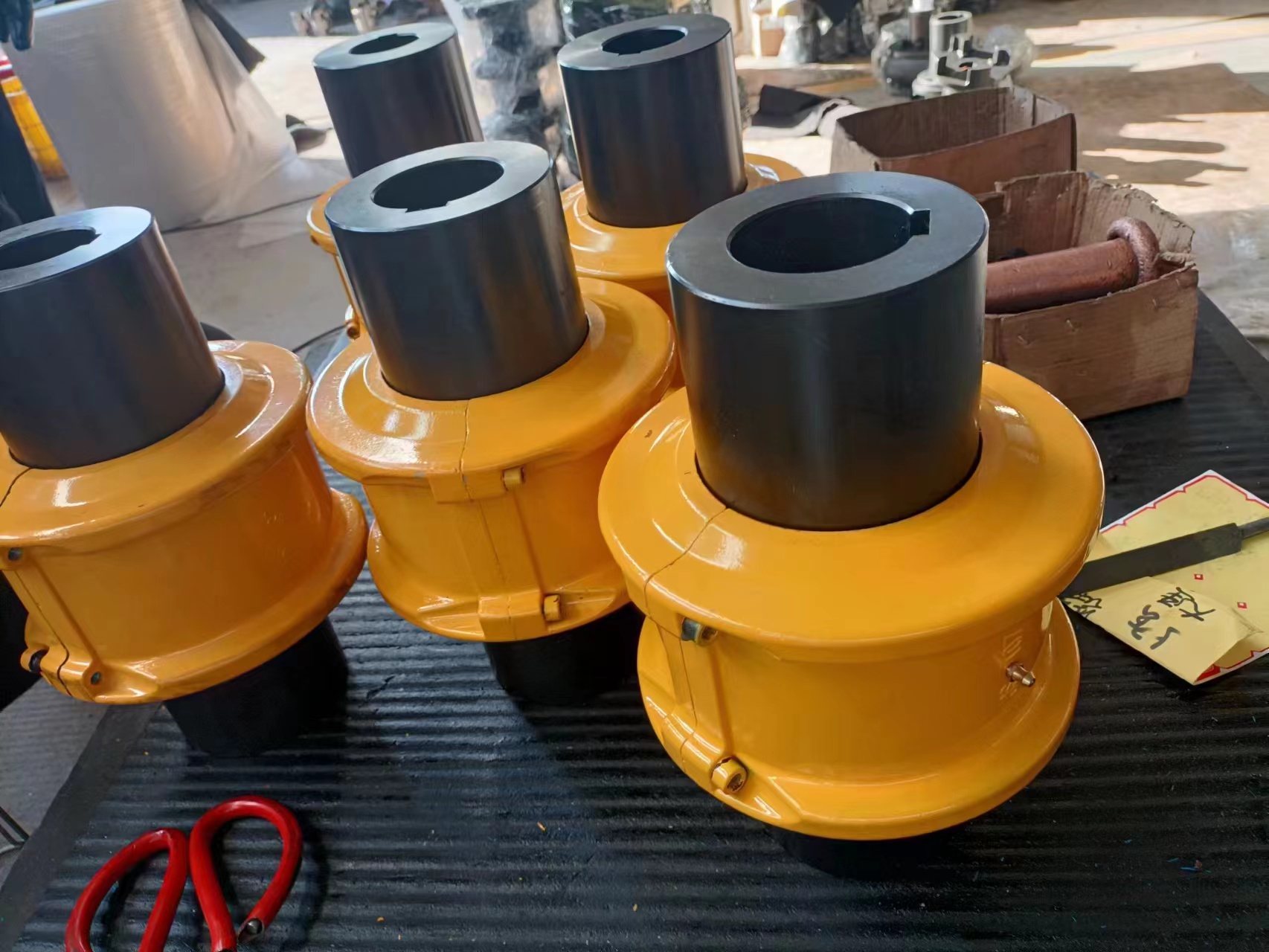 The selection of the appropriate serpentine spring coupling is crucial for the reliability and efficiency of mechanical transmission systems, directly affecting the service life and operational stability of equipment. |
Ii. Key Factors for Selecting Serpentine Spring Couplings
-
1. Load and torque requirements: The serpentine spring coupling must be capable of withstanding the required load and torque. To ensure the selection of the appropriate model, it is necessary to accurately calculate and evaluate the load and torque of the transmission system.
-
2. Operating speed and speed range: Select the appropriate model of the serpentine spring coupling based on the operating speed and speed range of the transmission system. Couplings of different models have different speed limits, so when choosing, actual needs should be taken into consideration.
-
3. Axial, angular and radial deviations: Axial, angular and radial deviations often occur in the transmission system. The serpentine spring coupling must be capable of absorbing and compensating for these deviations to ensure smooth transmission operation. Select the appropriate type and size of the coil spring coupling based on the actual situation of the transmission system.
-
4. Durability and reliability: The serpentine spring coupling must be durable and reliable, capable of maintaining high performance during long-term operation. Choose brands and manufacturers with high quality and reliability to ensure the durability and stability of the serpentine spring coupling.
-
5. Installation and Maintenance requirements: Considering the convenience of installation and maintenance, select a serpentine spring coupling that is easy to install and maintain. Some couplings may require more frequent maintenance and lubrication, which also needs to be taken into account when making a selection.
In conclusion, choosing the appropriate serpentine spring coupling requires a comprehensive consideration of factors such as load and torque requirements, operating speed and rotational speed range, deviation compensation capacity, durability, and maintenance convenience. Only by carefully assessing the actual requirements of the transmission system and choosing products that match performance and quality can the stable operation of the mechanical transmission system be ensured. |

 What is a serpentine spring coupling? How to choose a serpentine spring coupling-Technical News-Speed Torque Transmission Technology Co-Deep plowing in the field of couplings, integrating R&D, production and sales
 English
 Chinese
 Russian